
Recycling scrap metal is one of the most environmentally friendly and cost-effective ways to conserve resources. Metal recycling helps reduce waste, save energy, and reduce the need for new raw materials. However, not all metals are the same. Some are more valuable than others, and understanding which types of scrap metals you can recycle can help you earn more while doing your part for the planet. In this article, we will explore the different types of metals that can be recycled, their value, and the importance of proper disposal.
Introduction
Recycling scrap metal isn’t just a way to clean your garage or clear up clutter; it’s also an innovative and sustainable choice that benefits the environment, conserves resources, and helps generate income. Whether it’s old appliances, cars, or even old wires, metal recycling has become an essential part of reducing the impact of waste on our planet.
In this article, we’ll walk you through the different types of scrap metals, how they are recycled, and why it’s a great idea to start recycling today.
What is Scrap Metal?
Scrap metal refers to metal materials that are no longer in use and can be repurposed for recycling. These metals can be found in everyday items, including construction materials, vehicles, household appliances, and industrial products.
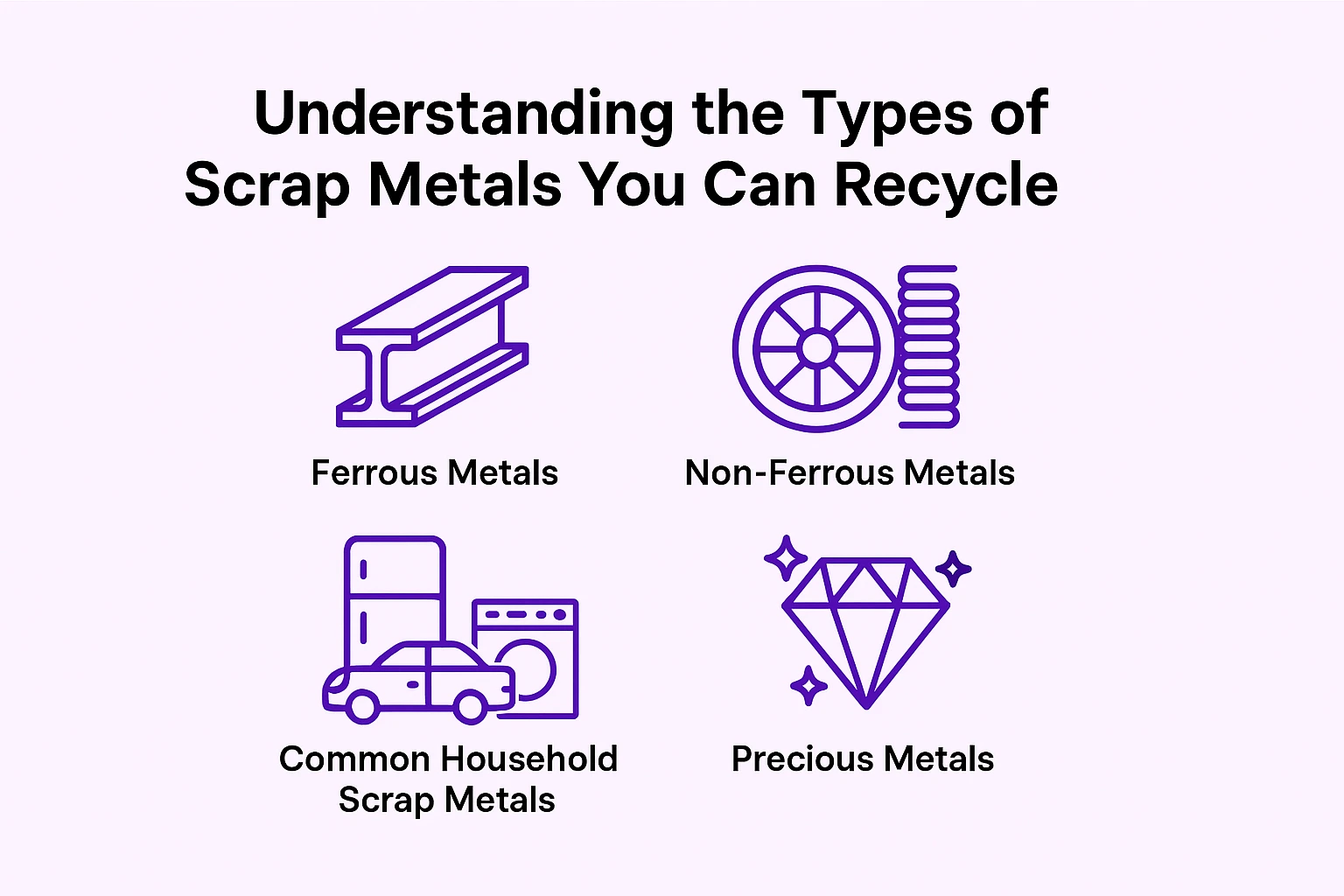
Ferrous and non-ferrous scrap metal are the two main types. Understanding the difference between these types can help you identify the value of the scrap metal you’re dealing with.
Ferrous Metals
What are Ferrous Metals?
Ferrous metals contain iron. They are magnetic and rust in damp conditions. The most prevalent ferrous metals are in automobiles, home appliances, and construction.
Examples of Ferrous Metals
- Steel: Steel is one of the most widely used metals, found in cars, buildings, tools, and many other products. Steel scrap is highly recyclable and in great demand.
- Cast Iron: Cast iron is another ferrous metal that can be recycled. It is found in older appliances, bathtubs, and some cookware.
How Ferrous Metals Are Recycled
Recycling ferrous metals typically involves melting them in a furnace and removing impurities. The iron is then reformed into usable materials for manufacturing.
Non-Ferrous Metals
What are Non-Ferrous Metals?
Metals that are not magnetic and do not contain iron are known as non-ferrous metals. They are generally more resistant to corrosion and more valuable than ferrous metals.
Examples of Non-Ferrous Metals
- Aluminium: Commonly found in cans, window frames, and household foil, aluminium is highly recyclable and one of the most profitable non-ferrous metals.
- Copper: Copper is used in pipes, industrial applications, and electrical cables. It’s known for its high conductivity and is highly valued in recycling markets.
- Lead: Lead is commonly found in batteries and older plumbing materials. Although it is less frequently recycled, lead is still valuable.
- Zinc: Another non-ferrous metal with a good market value is zinc, which is often used in galvanising steel to prevent rust.
Benefits of Recycling Non-Ferrous Metals
Recycling non-ferrous metals helps reduce the need for mining, which is a resource-intensive process. It also conserves energy, as recycling non-ferrous metals uses much less energy than extracting raw materials.
Precious Metals
What Are Precious Metals?
Precious metals, such as gold, silver, and platinum, are rare and highly valuable in the market. They are often used in electronics, jewellery, and other high-value items.
Examples of Precious Metals
- Gold: Gold is found in electronics, jewellery, and coins. It is one of the most valuable metals in the recycling market.
- Silver: Silver is used in electronics, photography, and jewellery, making it another valuable recyclable metal.
- Platinum: Platinum is often found in catalytic converters and various high-tech applications.
The Value of Precious Metals in Recycling
Precious metals are in high demand due to their rarity and use in high-end products. They can be extracted from electronic waste, old jewellery, and automotive parts, offering environmental and economic benefits.
Why Recycle Scrap Metals?
Recycling scrap metal is not just about getting rid of old items; it’s a critical part of environmental conservation and economic growth. Let’s explore the reasons why metal recycling is so important.
- Environmental Benefits: Recycling metals helps reduce the amount of waste in landfills and lowers pollution levels.
- Economic Impact: Metal recycling generates revenue and provides job opportunities in the recycling and manufacturing sectors.
- Energy Conservation: Metal recycling contributes to energy conservation since it requires less energy than creating new metals from raw materials.
The Recycling Process: How Scrap Metals Are Processed

The recycling process for scrap metals involves several steps, from collection and sorting to melting and repurposing.
- Collection and Sorting: Metal items are gathered, and the materials are sorted by type—ferrous or non-ferrous—before they are taken to recycling centres.
- Shredding and Smelting: Once sorted, the metals are shredded into small pieces and melted down in furnaces. The melted metal is purified and then shaped into usable forms.
- The Role of Recycling Centres: These centres play a critical role in recycling by providing the infrastructure for processing and repurposing metals.
The Value of Scrap Metals
The value of scrap metal fluctuates based on factors such as the type of metal, market demand, and its condition. Non-ferrous metals, especially copper, aluminium, and precious metals, typically command higher prices than ferrous metals like steel and cast iron.
To get the best price for your scrap metal, research current market prices and choose a reputable recycling centre.
Common Household Scrap Metals You Can Recycle
You can find a variety of scrap metals around your home, including:
- Kitchen Appliances: Old refrigerators, stoves, and microwaves are excellent sources of scrap metal.
- Old Vehicles: Scrap metal from cars, trucks, and motorcycles can be recycled for a profit.
- Household Electronics: Items like old computers, phones, and televisions contain valuable metals like gold, silver, and copper.
The Do’s and Don’ts of Scrap Metal Recycling
Dos of Recycling:
- Sort your metals before recycling.
- Check with your local recycling centre for their accepted materials.
Don’ts of Recycling:
- Don’t mix non-metal items with metal scraps.
- Avoid recycling items with hazardous materials.
Conclusion
Recycling scrap metals is an essential part of sustainable living. Whether you’re recycling ferrous, non-ferrous, or precious metals, the benefits of recycling extend beyond just financial gains. It helps conserve resources, reduces pollution, and plays a vital role in creating a sustainable future. So next time you have some scrap metal lying around, consider recycling it for economic and environmental benefits.
FAQs
What is the best type of scrap metal to recycle for the most money?
Non-ferrous metals like copper, aluminium, and precious metals typically offer the highest payout.
Can I recycle scrap metal from old household appliances?
Household appliances such as refrigerators, washers, and microwaves contain valuable scrap metal.
How do I find a scrap metal recycling centre near me?
A quick online search or asking your local waste management facility can point you to nearby recycling centres.
Why are non-ferrous metals more valuable than ferrous metals?
Non-ferrous metals are rarer, more durable, and have higher market demand, making them more valuable.
What should I do with electronics before recycling them?
Remove any batteries and properly dispose of hazardous materials before taking your electronics to a recycling centre.